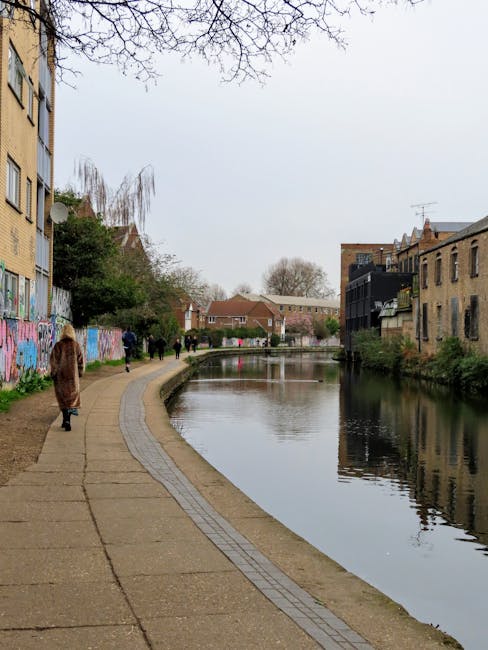
Local gardeners Hackney Wick Wick Lane and Fish Island guide
If you're looking for local gardeners in Hackney Wick, Wick Lane and Fish Island, chances are you want more than a tidy border and a quick mow. You want a garden that actually works for your space, your schedule, and the realities of East London living: wind, shade, compact plots, shared boundaries, tired paving, and the occasional patch that just refuses to behave. This guide walks through what local gardening support looks like, how it typically works, and how to choose the right help without overcomplicating things. Straightforward, local, and useful.
We'll also cover practical service choices, common mistakes, seasonal priorities, and the little details that matter when you're balancing privacy, maintenance, safety, and kerb appeal. Let's face it, a good garden can make a flat, terrace, or riverside home feel calmer the moment you step outside.
Why Local gardeners Hackney Wick Wick Lane and Fish Island guide Matters
Gardens in this part of London often have a particular character. Some are compact courtyards behind warehouses or converted buildings. Some sit beside busy roads and rail lines. Others are tucked into modern developments where privacy and container planting do a lot of heavy lifting. A one-size-fits-all approach rarely works for long. That's why a local gardeners Hackney Wick Wick Lane and Fish Island guide is useful: it helps you think in terms of the actual environment, not just an ideal garden from a catalogue.
The local context matters because plant choice, maintenance rhythm, and access all change from one property to the next. A sheltered courtyard can support softer planting, while a windy rooftop edge needs tougher species, better staking, and often smarter container choices. A front strip that gets trammeled by foot traffic may need a different strategy altogether. If you get the basics right early, you save a surprising amount of time later. And yes, a lot of money too.
There's also the simple value of peace of mind. When a gardener understands local conditions, they are more likely to spot drainage issues, poor soil structure, paving slip risks, boundary disputes around overgrown hedges, or the kind of ivy that looks charming until it is clearly winning the war. Small things, but they add up.
How Local gardeners Hackney Wick Wick Lane and Fish Island guide Works
In practical terms, local gardening support usually starts with a site assessment. That might be a quick visit, a phone discussion, or a photo-based conversation if access is limited. A good gardener will look at light levels, soil condition, existing planting, hard surfaces, drainage, and how you use the space. Are you after a low-maintenance setup? Do you want a private outdoor area for evening seating? Is the lawn always patchy by October? These questions shape the plan.
From there, the job is typically broken into stages. Some projects need a single tidy-up; others need a sequence of work: clearance first, then pruning or hedge shaping, then planting, then follow-up maintenance. If your garden has become a bit neglected, a restart approach often works best. For that, the neglected-garden recovery tips can help you understand what usually comes first and what can wait.
There's also a strong seasonal element. In winter, for instance, you may focus on protection, drainage, and vulnerable containers. In spring, it is more about growth, weed control, and soil improvement. During windier periods, especially around exposed routes and open terraces, a well-chosen planting plan matters more than people expect. The article on managing strong winds in your garden is a useful companion read if your space gets buffeted a bit.
Some homeowners only need regular maintenance, while others need a redesign of the basics. Truth be told, many local gardens need a bit of both. One pass to tidy and one plan to stop the same problem coming back.
Key Benefits and Practical Advantages
Working with a local gardener in Hackney Wick, Wick Lane or Fish Island brings practical advantages that are easy to overlook until you've tried doing everything yourself after a long week. The first is speed. Local gardeners know the area, travel efficiently, and can often schedule repeat visits sensibly. The second is context. They understand what tends to work in urban plots, shared spaces, narrow side returns, and modern apartment gardens.
Another key benefit is consistency. A garden needs rhythm. Mowing once and hoping for the best is not a strategy, however tempting it feels at 6pm on a Sunday. Regular care keeps weeds from dominating, hedges from becoming awkward, and surfaces from gathering moss or debris. That is where services such as garden maintenance and lawn care become genuinely useful rather than optional extras.
You also get better decision-making. A local gardener can tell you whether your patch is more suited to low-maintenance planting, a privacy screen, or structural changes. For example, if you're after shade and year-round cover, you might look at hedging options alongside fast-growing hedge ideas for privacy. If your soil is tired, organic matter and the right refresh can make more difference than new plants ever will. The article on turning organic waste into nutrient-rich soil is a sensible place to start.
And then there is the stress factor. Many people do not need a "perfect" garden. They need one that feels manageable. That shift alone can be a relief.
| Garden need | Best-fit approach | Typical result |
|---|---|---|
| Overgrown or neglected space | Clearance, pruning, weed control, then reset planting | Fast visual improvement and a workable starting point |
| Small courtyard or terrace | Containers, vertical layers, compact planting | More greenery without cluttering the space |
| Windy or exposed area | Tough planting, screens, structural edging, staking | Better plant survival and less seasonal damage |
| Family or pet-friendly garden | Safe surfaces, durable planting, clear zones | Outdoor space that is usable, not precious |
Who This Is For and When It Makes Sense
This guide is for homeowners, landlords, tenants with permission to improve an outdoor space, property managers, and anyone who wants a garden that suits urban life rather than fights it. If you've got a balcony-style courtyard, an odd-shaped back garden, or a shared boundary that needs tidying, local help can be worth it fairly quickly.
It also makes sense if you've hit one of those common moments: the lawn is thinning, the hedge is sprawling, the patio has gone slippery, or the planting looks tired by mid-summer. A lot of people delay until the garden feels embarrassing, which is understandable. But gardens are easier to recover when the job is tackled early. That first cut, first sweep, first prune - it changes the mood instantly.
If you have children or pets, the decision often becomes more about layout and safety than decoration. For practical ideas, see the guidance on designing a child-friendly garden and creating a dog-friendly garden sanctuary. These can help you think about durable surfaces, planting choices, and where to keep play or rest areas.
It is also worth considering professional support if you want a more design-led result. A simple tidy-up is one thing; shaping a terrace into a calm retreat is another. For that mood, the ideas in crafting the perfect seating areas for your garden retreat can be surprisingly helpful.
Step-by-Step Guidance
If you're planning to work with local gardeners in this part of East London, a clean process saves time and confusion. Here's a practical way to approach it.
- Define the real problem. Is it maintenance, privacy, poor drainage, weak soil, hard landscaping, or all of the above? Be specific. "The garden feels off" is valid, but not enough to plan properly.
- List your priorities. For example: lower upkeep, more privacy, safer surfaces, better planting, or a smarter layout for sitting out.
- Check access and constraints. Narrow side gates, basement stairs, shared entrances, storage limits, and parking all influence what can be done on the day.
- Choose the right service mix. You may need hedge trimming, mowing, patio cleaning, fencing, or full landscaping. Some jobs stand alone; others work best together.
- Ask for a realistic plan. Good gardeners should explain the order of work, the likely maintenance needed afterwards, and what changes are temporary versus long-term.
- Prepare the space. Move fragile pots, secure pets, and clear toys or loose items. Simple, yes, but it keeps the job smoother.
- Set a follow-up rhythm. A garden rarely stays good by accident. Build in seasonal maintenance so the space does not slide back to square one.
If the garden has become tangled or ivy-heavy, you may need a more assertive start. The practical advice in removing ivy permanently is a good reminder that some plants need a plan, not just scissors and optimism.
For hedges, aim to do more than just "trim the top." A careful shape matters, especially where privacy and light balance are both important. The local page on hedge trimming in Hackney Wick is relevant if your boundary planting is becoming a bit unruly.
Expert Tips for Better Results
Small choices create better gardens than grand gestures do. That sounds almost annoyingly simple, but it is true. Here are the habits that tend to pay off.
- Think in layers. Ground cover, mid-height planting, and a few vertical features usually look more complete than a single row of shrubs.
- Use containers deliberately. In tight or paved spaces, containers are not a compromise. They are often the smartest tool available. You can shift them, refresh them, and build interest quickly. If that suits your space, explore the benefits of container gardening.
- Choose hardy plants for exposed spots. Fish Island and nearby areas can feel open and breezy. The article on shielding your garden from intense weather conditions gives a practical lens on this.
- Keep an eye on winter prep. Containers, tender plants and recently planted shrubs need attention before the cold sets in. The winter plant protection advice is worth revisiting before the weather turns.
- Make weeding a routine, not a rescue mission. A little often is better than a heroic clean-up every two months. The weed control tips are practical and easy to apply.
One more thing: if your garden is shady, do not fight it. Work with it. Shade-tolerant planting, evergreen structure, and climbers can make a dim corner feel intentional rather than forgotten. For that kind of challenge, evergreen climbers for shade is a neat source of ideas.
And if you enjoy a more peaceful look, a simple, uncluttered design often ages better than an overpacked one. That's just garden common sense, really.
Common Mistakes to Avoid
Most garden problems are not dramatic. They're usually the result of a few small missteps repeated over time. Here are the big ones to watch out for.
- Ignoring light and wind. A plant that thrives in a sheltered back garden may collapse in a windy, open plot. Lovely in theory, not lovely when it snaps.
- Choosing plants only for appearance. That silver foliage or neat ornamental tree may look great for a month, then struggle with the site conditions.
- Overfilling small spaces. Compact gardens need breathing room. If everything is crammed in, maintenance becomes awkward and the space feels smaller.
- Leaving hard surfaces unchecked. Algae, moss, weeds between paving and poor drainage can turn into ongoing nuisance issues. Patio care matters more than people expect.
- Skipping a maintenance plan. A redesign without aftercare is a half-finished thought.
Another mistake is treating all outdoor space as one zone. In reality, most gardens work better when broken into purpose-led areas: sitting, storage, planting, children's play, pets, or simply a pass-through path. If you need help shaping those uses, the vertical gardening ideas and low-maintenance garden ideas can spark sensible choices.
Tools, Resources and Recommendations
Not every garden needs a major kit list, but the right tools and services make a visible difference. For standard upkeep, good basics usually include quality shears, a sturdy rake, sharp secateurs, a mower for lawns where relevant, gloves, and decent waste bags or bins for cuttings. If you're doing any regular maintenance yourself, sharp tools matter more than fancy ones.
For bigger jobs, the practical resources are more about service support than equipment. If you need mowing, edging, or regular upkeep, consider the tailored help available through lawn mowing and gardening services. If paving is part of the problem, patio cleaning can restore surfaces that otherwise drag the whole garden down visually.
For more substantial outdoor changes, the useful next steps often include landscaping, fencing, or even decking services where the layout needs structure and durability. If overgrown trees are causing shade, debris, or boundary tension, then tree surgery may be the right conversation to have. Not every garden needs all of this, of course. But it is good to know what exists before making a rushed call.
Budget-wise, it is wise to ask for clear pricing, what is included, and how follow-up work is handled. You can review the company's pricing and quotes information, plus the payment and security page if you want reassurance about the practical side of booking. A quick read, nothing glamorous, but useful.
Law, Compliance, Standards and Best Practice
Garden work is usually straightforward, but there are still best-practice points worth keeping in mind. If a gardener is working on your property, they should take health and safety seriously, especially for ladders, tools, debris, access routes, and any work near boundaries or hard surfaces. Good providers should be able to explain how they manage risk in plain English, not bury it in jargon. The health and safety policy and insurance and safety information are both sensible pages to check.
For customers, the key point is to make sure work is agreed clearly before it starts. Scope, timing, waste removal, access, and any limitations should be discussed up front. That protects both sides and avoids awkward surprises. If a job is part clearance and part design, it helps to know which items are included and which are not. A hand wave and "we'll sort it" sounds friendly, but clarity is better.
There are also straightforward trust signals worth looking for: clear terms, a complaints process, accessibility information, privacy handling, and modern slavery commitments in the broader business structure. These may not affect your hedge trim directly, but they do show how a company is run. You can review the terms and conditions, complaints procedure, accessibility statement, privacy policy, cookie policy, and modern slavery statement if you want a fuller sense of standards and accountability.
Best practice in gardening is often simpler than people think: work safely, agree the brief, use the right plant for the right place, and leave the site in good order. Done.
Options and Service Comparison
If you're weighing up what kind of help you need, it helps to compare the common approaches side by side. Not every garden needs a redesign, and not every problem should be treated like a project. Sometimes it's just a tidy-up. Sometimes, not.
| Option | Best for | Strengths | Watch-outs |
|---|---|---|---|
| One-off tidy and clearance | Overgrown gardens, move-in refreshes, spring resets | Fast results, easier to budget, clears the slate | Needs follow-up to stay neat |
| Regular maintenance | Busy households, rental properties, easy-care gardens | Consistent appearance, less stress, prevents build-up | Requires schedule discipline |
| Targeted service work | Specific issues like hedges, lawns, patios or trees | Good for solving one problem properly | May not address the wider garden layout |
| Full landscaping or redesign | Outdated layouts, poor structure, long-term improvements | Best for lasting change and better use of space | More planning, higher investment, more decisions |
For many people in Hackney Wick and Fish Island, the sweet spot is a combination: a proper reset, then a few regular visits to keep it on track. That's often the most sensible balance between cost and results.
Case Study or Real-World Example
Here's a realistic example. A small courtyard in Wick Lane had become one of those spaces people quietly avoid. The paving was dull, the planting felt random, and there was a patch of ivy and self-seeded weeds that had made itself at home. Nothing dramatic, just messy enough to drain the enjoyment out of it.
The work started with clearance and a hard look at what was worth keeping. A couple of healthy shrubs were retained, the ivy was tackled properly, and the paving was cleaned so the space stopped looking grey and tired. From there, the layout was simplified: a few containers for structure, a clearer sitting area, and planting that could cope with a bit of wind and a moderate amount of neglect. The result was not a show garden. It was better than that - usable.
The homeowner didn't need constant fuss. They needed a place to sit with coffee in the morning, a space that didn't demand a weekend every month, and a look that felt calm rather than crowded. That's a very normal brief, by the way. More common than people admit. And it worked because the plan matched the space.
If that sounds familiar, a local gardener's job is less about "creating magic" and more about removing friction. Once the friction goes, the garden starts to feel like yours again.
Practical Checklist
Use this checklist before you book or brief a gardener. It keeps the conversation grounded and makes the end result better.
- Identify the main issue: maintenance, privacy, planting, paving, trees, fencing, or layout.
- Measure or roughly note the size of the space.
- List anything that must stay in place, such as furniture, sheds, or mature plants.
- Note exposure: shade, wind, damp, and sun hours if you know them.
- Decide whether you want a one-off visit or ongoing maintenance.
- Think about access: gates, stairs, parking, storage, and waste removal.
- Choose your priority outcome: tidier, safer, greener, more private, or easier to manage.
- Prepare any pets, children's items, or fragile pots ahead of time.
- Ask what happens after the work is finished and what upkeep will be needed.
- Keep a note of the agreed scope so everyone is on the same page.
Small checklist, big difference. Honestly, it saves a lot of back-and-forth.
Get a free quote today and see how much you can save.
Conclusion
A good garden in Hackney Wick, Wick Lane or Fish Island does not have to be large, expensive or perfectly styled. It just needs to suit the space and the way you live. Once you focus on the right priorities - maintenance, planting, structure, privacy and sensible seasonal care - the whole outdoor area becomes easier to enjoy and much less of a burden.
That's really the heart of this guide. Find the right local approach, ask clear questions, and choose practical improvements that will still make sense in six months. The best gardens are not always the flashiest ones. They're the ones you keep using.
And if your garden is currently a bit of a "we'll sort it later" situation, no shame there. Most of them start that way. The good news is, they can turn around quicker than you think.
Frequently Asked Questions
What do local gardeners in Hackney Wick, Wick Lane and Fish Island usually help with?
They commonly help with garden maintenance, lawn mowing, hedge trimming, planting, patio cleaning, fencing, tree work, and broader landscaping. For many homes, it's a mix of tidying and improving the layout so the space becomes easier to manage.
Is a one-off garden tidy-up enough?
Sometimes, yes. If the issue is mainly seasonal build-up or a neglected plot, a single reset can make a huge difference. But if the garden gets messy quickly, a follow-up maintenance plan usually gives better long-term value.
How often should a small urban garden be maintained?
It depends on planting and usage, but many small gardens benefit from regular attention every few weeks during active growing periods. Lawns, hedges and weeds tend to show neglect quickly in compact spaces.
What if my garden is very windy or exposed?
That is common in parts of East London. A local gardener can suggest tougher planting, better screening, staking, and practical layout changes. Wind resilience matters more than people think, especially for containers and young plants.
Can gardeners help with privacy in a small garden?
Yes. Privacy can be improved with hedges, climbers, fences, screening planting, and smarter arrangement of seating areas. It is usually better to combine a few methods rather than rely on one tall solution.
Do I need landscaping or just maintenance?
If the garden is already functional but untidy, maintenance may be enough. If the layout is awkward, the surfaces are failing, or the planting doesn't suit the space, landscaping may be the better choice. A quick site assessment usually makes that clear.
What should I ask before booking a gardener?
Ask what is included, how waste will be handled, whether the work is one-off or ongoing, and what aftercare is recommended. It also helps to ask about access, timing, and any limitations on the day.
Are patio cleaning and lawn care worth doing separately?
Often, yes. They solve different problems. A neat lawn can still look tired beside a dirty patio, and a clean patio won't hide patchy grass. Tackle the parts that shape the first impression.
What if my garden has become overgrown and full of ivy?
That usually needs a stronger reset. Clearance, pruning and proper ivy removal may be required before you can see the real structure of the space again. Once the growth is under control, it becomes much easier to plan the next steps.
How do I choose between containers and in-ground planting?
Containers suit tight, paved, rented or flexible spaces and make it easier to change the look. In-ground planting usually works better where soil quality is good and you want a more established, lower-maintenance finish. Many gardens use both.
Is it worth checking policies and paperwork before hiring?
Yes, especially for trust and peace of mind. Health and safety, insurance, terms, and complaints information tell you a lot about how a company is run. It's not the exciting part, but it matters.
How do I get the best result from a local gardener?
Be clear about your priorities, share photos if needed, mention access issues, and be honest about your budget and time frame. The clearer the brief, the better the result. Simple as that.
What is the best next step if I'm not sure where to begin?
Start with one problem: the hedge, the lawn, the patio, or the overgrowth. Once that's clear, it becomes much easier to plan the rest. If you need help, the safest move is to speak with a local professional and ask for a practical quote.
For a friendly next step, take a look at the team background on the about us page and then use the contact page to start the conversation.
There's something quietly satisfying about a garden that finally feels sorted. Nothing flashy. Just calm, green, and yours.